Innovation Corner
Building a scalable ticketing system on AWS
For OrcheStars, scalability meant more than handling traffic. It meant keeping seats, payments, QR tickets, and check-in workflows reliable when an event moved from planning to a live venue.
We started with a practical problem: OrcheStars needed a modern event platform that could handle ticket sales, seat availability, payment flows, ticket delivery, and check-in without forcing our team to stitch together spreadsheets and manual workarounds.
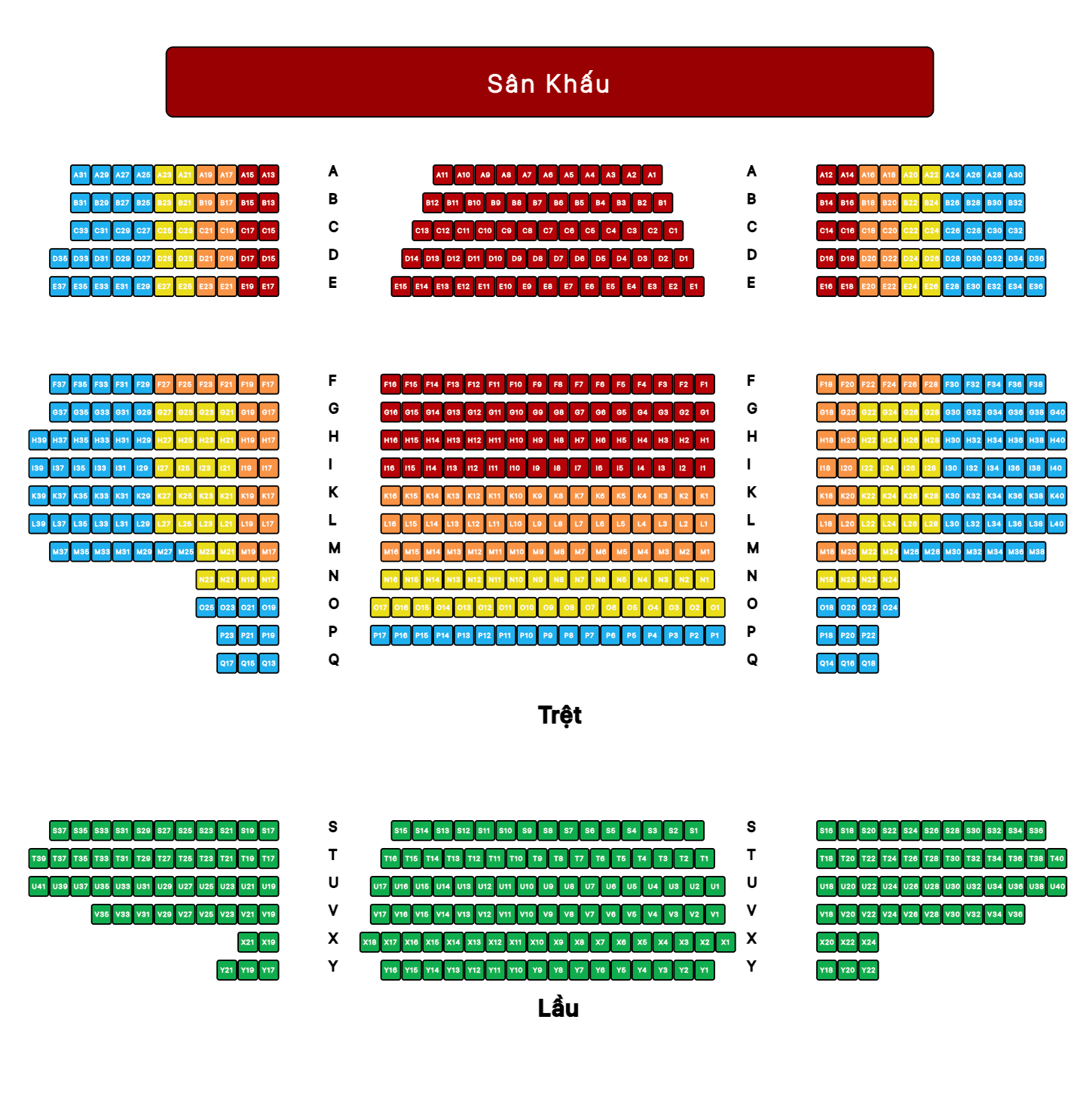
We collaborated with CoderPush on spec-driven development with Kiro. The work started by turning operational needs into product specs, then using Kiro to prototype the seating chart, seat-holding logic, booking flow, and event check-in by QR code with expiration and encryption.
AWS mattered because event operations have uneven pressure. Most days are quiet. Launch windows, payment deadlines, and show nights are not. We needed cloud services and implementation choices that could support that pattern without turning our small team into a full-time infrastructure team.
That is where CoderPush was useful to us. As an AWS Advanced Partner, they helped us keep the discussion grounded in the product we were operating, not in a generic cloud checklist. The goal was to connect the specs, the Kiro prototypes, and the AWS-backed architecture into critical paths that were reliable, observable, and maintainable.
What we needed the platform to do
A ticketing product looks simple from the outside, but each customer action has consequences across inventory, payment, email, customer support, and front-door operations. We needed confidence in a few specific areas:
- Ticket inventory and seat availability had to stay consistent while customers were buying.
- Payment status, ticket generation, and QR delivery had to survive normal operational retries.
- Staff needed a check-in flow that stayed fast and clear when the venue was busy.
- Our team needed an admin surface that made event setup and day-of support visible.
CoderPush helped us turn those needs into application behavior and deployment constraints. Instead of treating AWS as a badge, they treated it as the infrastructure layer behind real product decisions: where state should live, which workflows needed retries, which admin actions needed guardrails, and how much operational feedback the team needed when something went wrong.
Where AWS fit the work
The most valuable AWS conversations were not abstract architecture reviews. They were tied to user journeys: browsing an event, selecting seats, paying, receiving a QR ticket, and getting checked in by staff. From that perspective, four areas mattered most.
Transactional data
Orders, tickets, payments, seat holds, and check-in records belong in durable relational storage. The architecture keeps those workflows centered on PostgreSQL so AWS database options such as Amazon RDS can support the operational core.
Media and generated assets
Event images, imports, exports, and media files need object storage semantics. The platform is configured for S3-compatible storage, with the option to use Amazon S3 when that is the right production choice.
Background operations
Ticket emails, payment reconciliation, and status updates cannot depend on someone watching an admin screen. Scheduled jobs and server-side handlers keep those flows explicit and repeatable.
Operational visibility
Cloud infrastructure only helps if the product is observable. Environment separation, structured error handling, and monitoring hooks give the team a practical way to diagnose issues before they become event-day surprises.
What CoderPush brought to the partnership
The part we valued most was translation. We could describe an event problem in our own language, and CoderPush could turn it into a technical path that respected both the cloud architecture and the realities of our team.
For example, a concern about not overselling a section becomes database modeling, seat-hold behavior, payment-state transitions, timeout handling, and staff tooling. A concern about keeping the door team moving becomes a check-in interface, QR validation, manual lookup paths, and clear handling for already-used or wrong-event tickets.
That product translation is what made the AWS work useful. The cloud services were there to support the operating model, while the application still had to be clear enough for customers, admins, and event staff to use under pressure.
What this means for another team evaluating CoderPush
If you are considering CoderPush for an AWS-backed product, our strongest signal is that they stayed close to the business workflow. They were willing to make tradeoffs visible, keep the architecture practical, and focus the implementation on the places where reliability actually shows up for users.
We would not describe the work as buying a cloud stack. We would describe it as building a product with the right cloud primitives underneath it: durable data, object storage, scheduled operations, clear environments, and enough observability to support real event operations.
For OrcheStars, that was the point of working with CoderPush on AWS. The technology mattered because it helped us launch and operate an event platform with less guesswork and more confidence in the workflows our audience and staff depend on.